Removable wallpaper for renters: keep your deposit
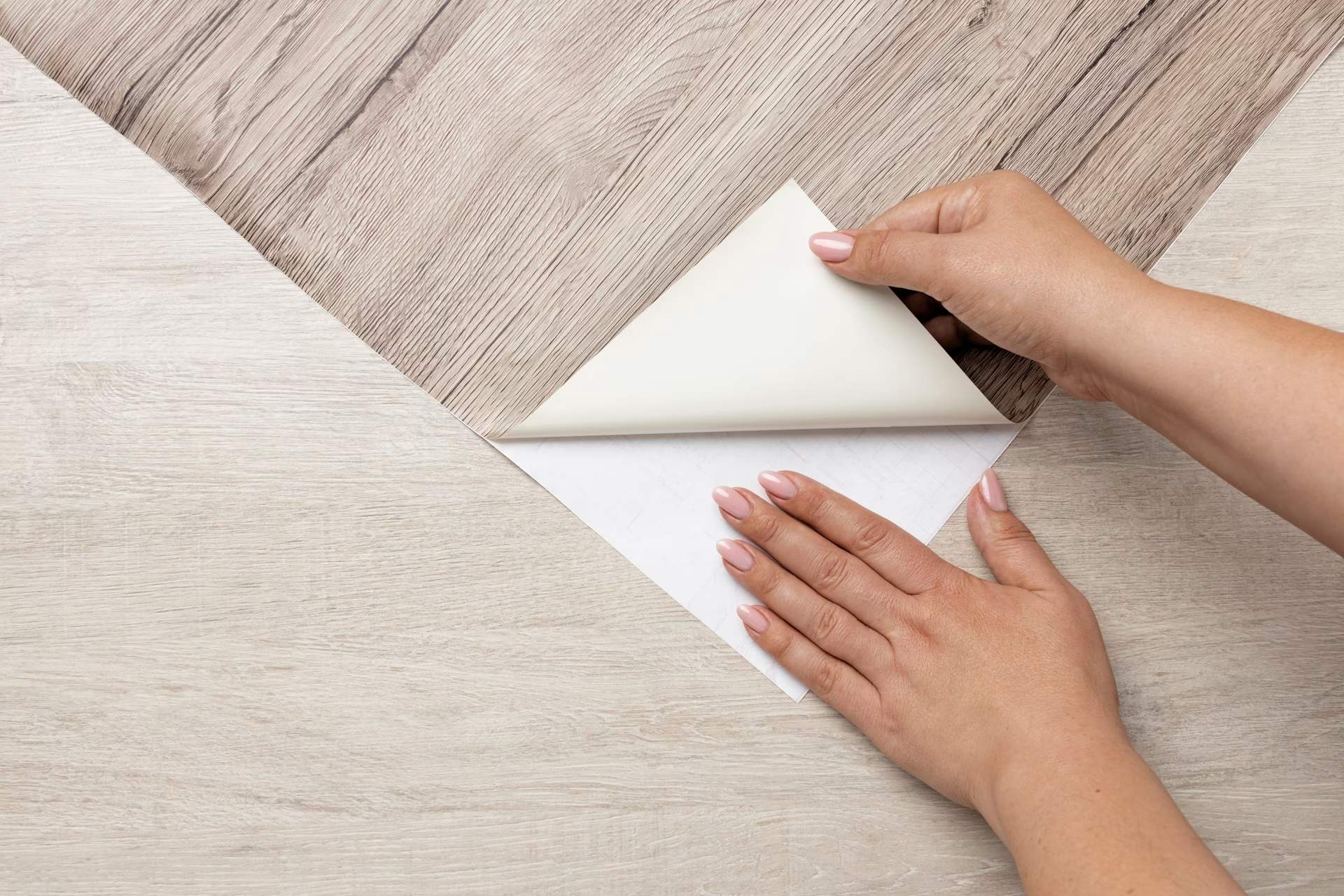
Somewhere on a Thai property forum, a renter once asked the question every renter in Bangkok has quietly wondered: if I put up a wallpaper mural, will the paint come off with it when I leave? The replies, to this day: zero.
Consider this the reply. If you're searching for removable wallpaper as a renter — renter-friendly wallpaper that won't cost you your deposit in a rental condo in Bangkok — the honest answer is yes, it exists, and yes, it works. It just comes with a few conditions nobody bothers to explain. Knowing them is the difference between a full deposit at handover and a very quiet ride down in the lift. Here's the whole playbook.
What Bangkok leases actually forbid (and what they don't)
Read your lease and you'll almost certainly find the same three prohibitions: no drilling, no painting, no permanent alterations. Most Bangkok condo leases stop there.
A peel-and-stick mural touches none of those. No holes, no paint, nothing permanent — it goes up without paste and comes down without tools. Strictly speaking, it's closer to a very large, very beautiful sticker than to renovation work.
That said, tenancies run on goodwill as much as clauses, so ask anyway. It costs one message and buys you a landlord who's on your side. Feel free to send something like this:
Hi — I'd like to put up a removable peel-and-stick wallpaper mural on one wall of the living room. It uses no paste, no nails and no drilling, and it's designed to peel off cleanly. I'll remove it myself before I move out and hand the wall back exactly as it is now. Would that be alright with you?
Most landlords say yes to that. The ones who don't have at least told you before you spent a baht.
The material that makes it possible
Not every mural material is renter-friendly, and we won't pretend otherwise. Our traditional materials go up with paste — lovely for a home you own, wrong for a wall you have to hand back.
The one to choose is Vinyl Sticker: peel-and-stick and fully removable — the renter-friendly favourite. No paste needed. The adhesive is built into the material itself, so there's no wet paste soaking into the paint underneath, and when the time comes it's designed to come away with no residue — perfect when you can't use paste. You'll find it, along with its per-square-metre rate and the full comparison against our other finishes, on the materials page.
One material, one honest caveat, which brings us to the part of this article that actually earns your deposit back.
The honest part: your paint matters more than the wallpaper
Here's what the silent forum thread never got told: when peel-and-stick goes wrong, it's almost never the wallpaper's fault. It's the paint.
Builder-grade flat or matte paint — the thin, chalky coat many condos are finished with — can bond weakly to the wall beneath it. Any adhesive product applied to it, ours included, can lift flakes of that paint on removal. Not because the sticker is aggressive, but because the paint was barely holding on in the first place. Good-quality paint that's properly cured, by contrast, takes peel-and-stick happily and releases it cleanly.
Two more general rules for any peel-and-stick product:
- Freshly painted walls need to cure. If your unit was repainted recently, wait around four weeks before applying anything adhesive. Paint that looks dry isn't necessarily done hardening.
- Clean the wall first. Dust and cooking grease weaken the bond unevenly, which makes removal less predictable. A wipe-down and a dry cloth is all it takes.
And the risk scales with two things: how good the paint is, and how long the mural stays up. Which is exactly why you shouldn't take our word — or anyone's — for how your particular wall will behave. Test it.
The free-sample corner test
This is the renter's insurance policy, and it's free. We'll post you an A4 printed sample of any design on your chosen material — no payment, no card details. You'll find the sample request on any design page, right beside the size and material options; and if you'd like to see where the sample fits in the wider journey from measuring to hanging, it's all on how it works.
Then run the test: stick the sample somewhere hidden — behind the wardrobe, low behind the sofa — and leave it for a few days. Peel it off slowly and inspect both the sample and the wall. Clean wall, clean sample, no paint on the adhesive? Your wall passes, and you can order the full mural with a clear preview of how move-out day should go. If the sample lifts even a fleck of paint, you've just saved yourself a deposit dispute for the price of a few days' patience.
As a bonus, you also get to see the actual colour and texture in your actual light — which is how you find out whether the soft haze of Misty Mountains or the warm curves of Terracotta Waves is the one your room's been waiting for.
Moving out: how to remove it cleanly
First, a habit worth adopting: photograph the wall before the mural goes up, and again after it comes down. Dated photos of an undamaged wall end deposit conversations before they start.
Removal itself is unhurried work:
- Start at a top corner and peel slowly, at a low angle, close to the wall — pulling straight out is what stresses paint.
- Work in small sections rather than one heroic sheet.
- If a patch resists, warm it with a hairdryer on low for a few seconds; heat relaxes the adhesive and it releases gently.
- In the unlikely event of any residue, it lifts with a plastic scraper and warm soapy water. No solvents, no drama.
Give yourself an easy evening for it, not a frantic hour before the inspection. Slow is the whole technique.
Your deposit, plainly
The standard shape of a rental deposit in Thailand is simple: it comes back unless there's actual damage beyond normal wear and tear. A wall that looks the way it did when you moved in — which is what a tested, carefully removed peel-and-stick mural is designed to leave behind — sits comfortably on the right side of that line. This isn't legal advice, just the plain shape of how deposits work: no damage, no deduction.
Questions we hear a lot
Will the paint come off with it?
The zero-reply question, answered: on sound, well-cured paint, no — vinyl sticker is designed to peel away cleanly with no residue. On builder-grade flat paint, or paint less than about a month old, it can lift. That's not a risk to guess about; it's exactly what the free sample corner test settles before you commit.
Do I need my landlord's permission?
For something removable that involves no drilling or painting, usually not, strictly speaking — but ask anyway, with the message above. A landlord who said yes in writing is a landlord who won't be surprised at inspection. And if you've tested and removed it properly, honestly, your landlord will never know.
How long can it stay up?
There's no expiry date, but the longer any adhesive product stays on a wall, the more deliberate your removal should be — slower peeling, more hairdryer, more patience. If you know you're staying several years, run the corner test for longer too, and keep those before photos somewhere safe.
A rented room is still your room. You'll fall asleep looking at that wall for the length of the lease — it may as well be a wall you chose, whether that's the quiet green of Wild Fern Garden or something softer in bloom. Measure the wall, and see a design on your own wall at true scale before you decide. The beige can belong to the next tenant.